Thu, 13/08/2026 - 16:07
Five Countries, One Sea: Caspian States Mark International Caspian Sea Day and 20 Years of the Tehran Convention
Across Azerbaijan, Iran, Kazakhstan, Russia and Turkmenistan, International Caspian Sea Day 2026 brought together governments, scientists, communities and international partners around a shared commitment to protecting the Caspian Sea — 20 years after the Tehran Convention entered into force.

International Caspian Sea Day, observed annually on 12 August, had special significance in 2026 as it marked two decades since the Framework Convention for the Protection of the Marine Environment of the Caspian Sea — the Tehran Convention — entered into force. Events across all five littoral States highlighted a common message: protecting the Caspian Sea requires sustained regional cooperation, sound science, effective monitoring and public engagement.
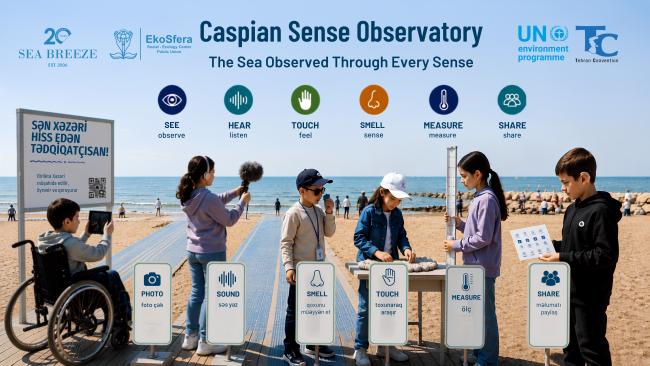
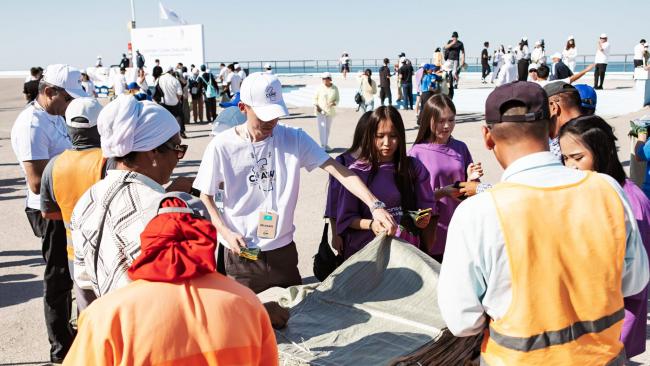
Azerbaijan marked the day with environmental and educational activities, including the Caspian Senses Observatory at Sea Breeze. The inclusive initiative brought children, environmental specialists and members of the public together to explore the coastal environment and learn about biodiversity and pollution. Tehran Convention Coordinator Mr. Mahir Aliyev highlighted the potential of citizen science and new digital tools to involve people directly in monitoring the environmental condition of the Caspian. He stressed that environmental responsibility should begin at an early age.

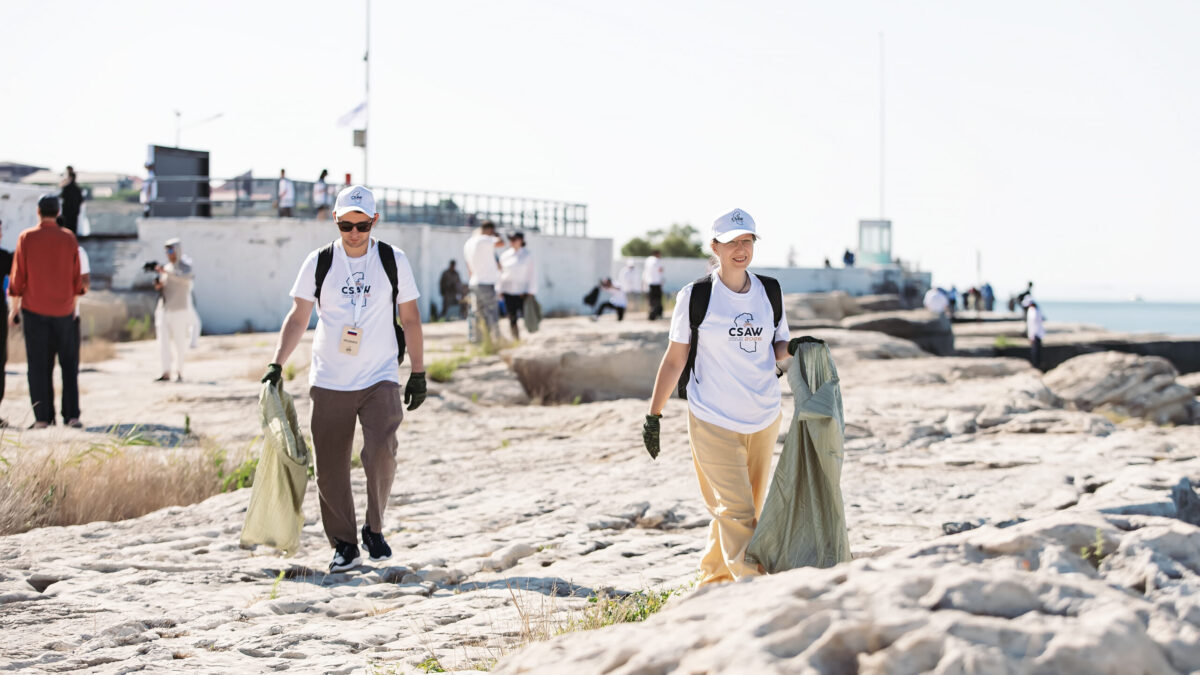
Iran hosted a major scientific and policy event on 11 August at the Department of Environment in Tehran. The conference was attended by Vice President and Head of the Department of Environment H.E. Ms. Shina Ansari, senior officials, ambassadors of the Caspian littoral States and representatives of international organizations to discuss pressing environmental challenges and the preservation of the Caspian ecosystem. In coastal provinces, the national programme was complemented by educational activities, sports events and beach clean-ups, further connecting national efforts with local communities.
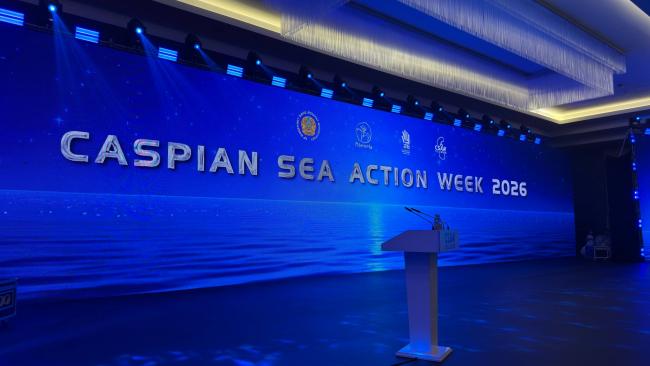
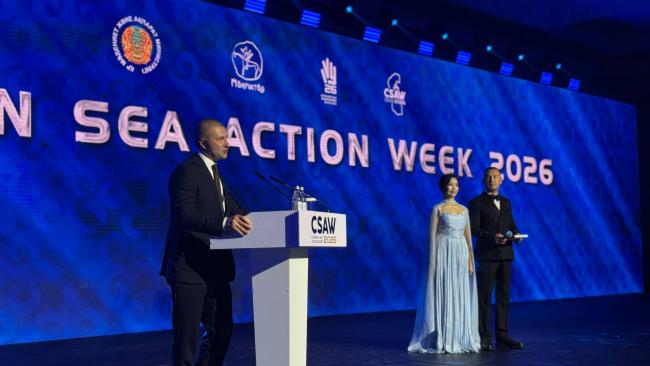
Kazakhstan hosted one of the most extensive regional programmes through the Caspian Sea Action Week 2026 in Aktau. On 6 August, specialists gathered in Aktau for an international seminar on modern marine environmental monitoring, including digital technologies, early-warning systems, water-quality monitoring, artificial intelligence and Big Data. On 7 August, a wider international roundtable brought together representatives of all five Caspian States to discuss joint scientific research and the future of the Sea. Mr. Mahir Aliyev, Coordinator of the Tehran Convention Secretariat, moderated the plenary session, reinforcing the Convention's role as a platform for regional scientific and environmental cooperation.
In Russia regional activities and public communications emphasized the significance of the Tehran Convention as the common environmental framework of the five countries, while highlighting ongoing scientific, cultural and economic contacts across the Caspian. Astrakhan Region also continues to host regional initiatives bringing together representatives of the Caspian countries, supporting dialogue on environmental protection and sustainable development.
Turkmenistan held its principal celebrations on 12 August in the Avaza National Tourist Zone, where a scientific-practical conference focused on Protection of the Caspian Sea Ecosystem: Regional Cooperation and Sustainable Development. Government representatives, scientists, diplomats and international organizations discussed environmental monitoring, biodiversity, climate-related risks and the application of innovative technologies, including artificial intelligence and information platforms. The event also reviewed 20 years of cooperation under the Tehran Convention and stressed the importance of continued joint action by the five littoral States.
Twenty years after the Tehran Convention entered into force, the Caspian Sea Day 2026 celebrations demonstrated that, despite the different national approaches and priorities, the five littoral States share one essential objective: a healthy, resilient and sustainably managed Caspian Sea for present and future generations.